The science fiction dream of the 20th century has abruptly become the industrial reality of 2026. For decades, robotic automation was confined to highly structured, bolted-down robotic arms in automotive assembly lines. These machines were brilliant at doing one specific task a million times perfectly, but they were completely blind to unstructured environments. Today, that paradigm has shattered. We are currently witnessing the multi-thousand unit commercial deployment of fully autonomous, bipedal humanoid robots.
Driven by massive breakthroughs in end-to-end neural networks and multi-modal AI (often termed "Physical AI"), the race to commercialize general-purpose humanoid robots has become the most intensely funded battlefield in the technology sector. With industry heavyweights like Tesla, Boston Dynamics, and OpenAI-backed Figure AI moving their creations out of R&D labs and onto active factory floors, the global labor market is bracing for an unprecedented shockwave.
⚙️ The 2026 Deployment Milestone: This year marks the transition from prototypes to commercial fleets. Thousands of humanoid robots are officially operating in commercial logistics centers and automotive manufacturing plants worldwide.
1. The Big Three: Who is Winning the Race? 🏆
While there are dozens of robotics startups globally, three platforms have definitively separated themselves from the pack through massive capital deployment and real-world pilot programs in 2026.
Tesla Optimus: Elon Musk’s robotics division possesses a distinct advantage that no other company has: manufacturing scale. By leveraging the AI vision architecture already built for its self-driving cars, Tesla has rapidly iterated on the Optimus platform. In 2026, Tesla is utilizing thousands of Optimus units within its own Gigafactories to perform repetitive tasks like battery cell sorting and chassis inspection. Their goal is not just to build a robot, but to mass-produce it at a price point below $20,000, effectively making human labor economically uncompetitive for mundane tasks.
Figure AI: Backed by hundreds of millions of dollars from OpenAI, Microsoft, and Nvidia, Figure AI has taken the industry by storm. Their robot, the Figure 02, represents the absolute cutting edge of "embodied intelligence." By directly integrating OpenAI's multi-modal models, Figure robots can look at a messy table, listen to a human command like "clean up the dishes but leave the coffee mug," and independently calculate the physics required to execute the task without being pre-programmed. They are currently deployed in pilot programs with BMW manufacturing.
Boston Dynamics (Atlas Electric): The grandfathers of modern robotics shocked the world when they retired their legendary hydraulic Atlas robot in favor of a fully electric, next-generation bipedal platform. The new electric Atlas does not move like a human; it moves better. Featuring 360-degree joint rotation, it can stand up from the floor without utilizing its arms and contort its body to lift heavy objects in incredibly tight, industrial spaces.
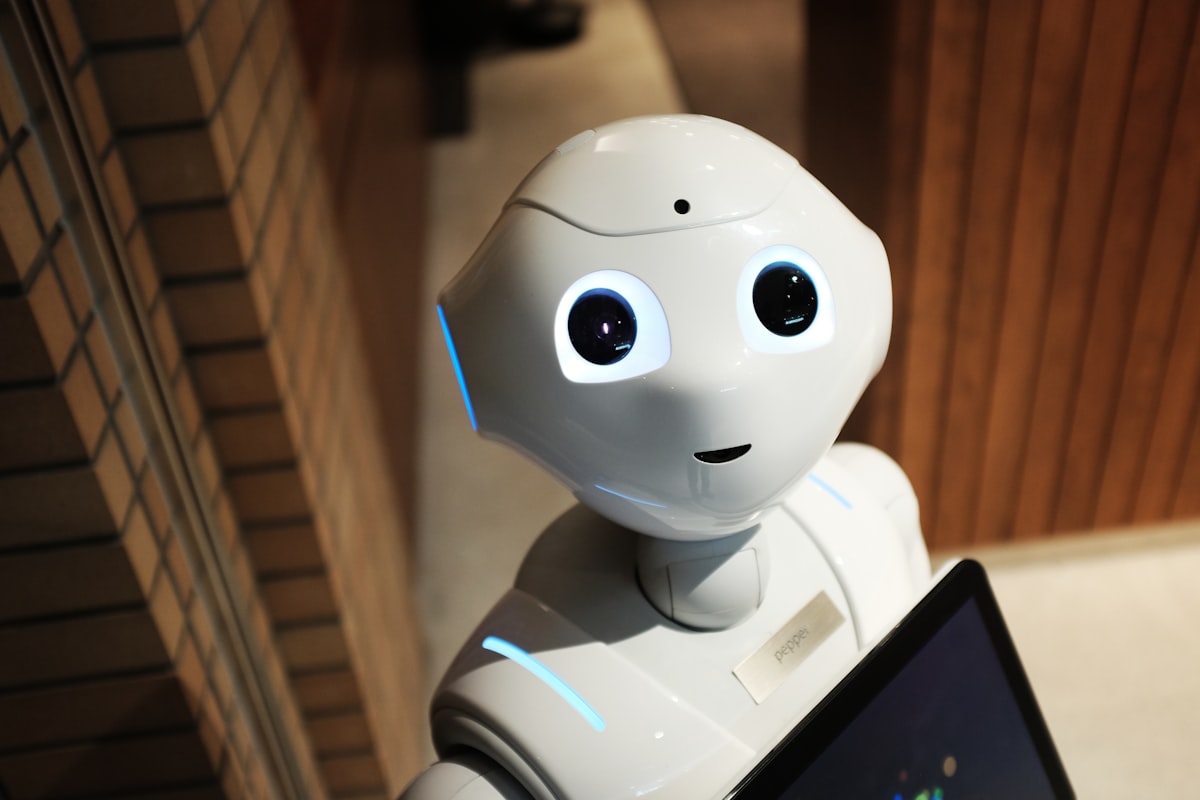
📉 The 2040 Projection: According to Berg Insight research, annual humanoid robot shipments are forecasted to skyrocket from 16,000 units in 2026 to a staggering 26 million units per year by 2040.
2. The Secret Sauce: End-to-End Neural Networks 🧠
Why did humanoid robotics suddenly become viable in 2026? The answer is software. For decades, engineers had to painstakingly write millions of lines of code instructing a robot exactly how to calculate the angle of its knee to climb a specific staircase. If the staircase was slightly wet, the math broke, and the robot fell.
The industry has now shifted to End-to-End Neural Networks. Instead of coding physics equations, engineers simply show an AI thousands of hours of video data of a human doing a task. The neural network "watches," learns the goal, and figures out the motor control independently. This allows a humanoid robot to generalize. If it drops a box, it does not freeze and crash—it looks at the box, understands the error, bends down, picks it back up, and continues. This cognitive resilience is what makes them safe to operate alongside human workers.
Conclusion: The Future of Physical Labor
As we look beyond the 2026 deployments, the trajectory is clear. Humanoid robots are not a gimmick; they are the ultimate solution to the demographic collapse and shrinking workforce facing the developed world. By 2030, these machines will begin moving out of heavy industrial zones and into retail environments, hospitals, and eventually, our homes.
The transition will undoubtedly be chaotic, sparking massive debates over labor displacement, universal basic income (UBI), and digital taxation. However, the humanoid revolution is officially out of the laboratory. The machines have arrived on the factory floor, and they are here to stay.