LIVE UPDATE BREAKING: GLOBAL HEALTH ALERT
MV Hondius Hantavirus Outbreak: 3 Dead, Spain Accepts Stranded Cruise Ship
• Spain has agreed to receive the MV Hondius in the Canary Islands after WHO requested assistance.
• Three confirmed deaths, one patient in intensive care in South Africa.
• Three suspected cases remain on board.
• Medical evacuations to the Netherlands are underway.
• Switzerland confirms a returning passenger tested positive for Andes virus strain.
A routine expedition cruise through the South Atlantic has become a maritime health emergency. The Dutch-flagged polar expedition ship MV Hondius is stranded off Cape Verde, West Africa, with a deadly virus spreading among its 147 passengers and crew. Three people are dead. Seven have fallen ill. And the World Health Organization is investigating rare human-to-human transmission of a virus that normally comes from rodents.
Here is everything we know right now – aggregated from WHO, CDC, Xinhua, ABS-CBN, and international health authorities.
🚢 MV Hondius – Stranded at Sea
Ship details: The MV Hondius is a 107.6m (353ft) polar expedition cruise ship operated by Oceanwide Expeditions (Netherlands). It departed from Ushuaia, Argentina, on March 31, 2026, following an itinerary across the South Atlantic with stops in Antarctica, South Georgia, Tristan da Cunha, and Saint Helena.
Current situation: As of May 6, the ship is moored off Cape Verde. Local authorities refused to let sick passengers disembark over infection fears. Spain has now agreed to receive the vessel in the Canary Islands. The ship is expected to arrive in 3-4 days. Upon arrival, Spanish health authorities will conduct medical checks and arrange quarantined repatriation.
Regional concern: The regional president of the Canary Islands, Fernando Clavijo, expressed concern: "Neither the populace nor the government of the Canary Islands can rest assured because. . .the danger to the population is real." He demanded an urgent meeting with Spain's prime minister.
📅 Outbreak Timeline
🦠 Hantavirus – Why the Andes Strain Is Different
Sources: WHO, CDC, South African NICD
Normally: Hantavirus is transmitted to humans through contact with infected rodent droppings, urine, or saliva. Symptoms: fever, headache, muscle aches, followed by sudden respiratory distress. No specific treatment or vaccine exists.
What's different this time: South African health authorities identified the Andes virus strain – found primarily in Argentina and Chile. Unlike other hantavirus strains, Andes virus can spread between humans through close and prolonged contact (e.g., sharing a bed or food). Switzerland confirmed a returning passenger tested positive for Andes virus after visiting Argentina.
💔 The Victims
Case 1 – First death (Dutch national): A 69-year-old male passenger developed symptoms on April 6. He died on board April 11. His body was removed to Saint Helena on April 24.
Case 2 – Second death (Dutch national): The 69-year-old wife of Case 1. Evacuated from Saint Helena to Johannesburg, South Africa, on April 24. She died upon arrival on April 26. Posthumous tests confirmed hantavirus.
Case 3 – Third death (British national): A 69-year-old female passenger from Felixstowe, Suffolk. She died on May 2 at a Johannesburg hospital. Her husband remains in intensive care there.
Critically ill patient: The 69-year-old husband of Case 3 remains in intensive care in Johannesburg. He is confirmed positive for hantavirus.
Additional cases: Three suspected cases remain on board. A Swiss passenger who returned from the ship tested positive for Andes virus in Switzerland.
🚁 Medical Evacuations Underway

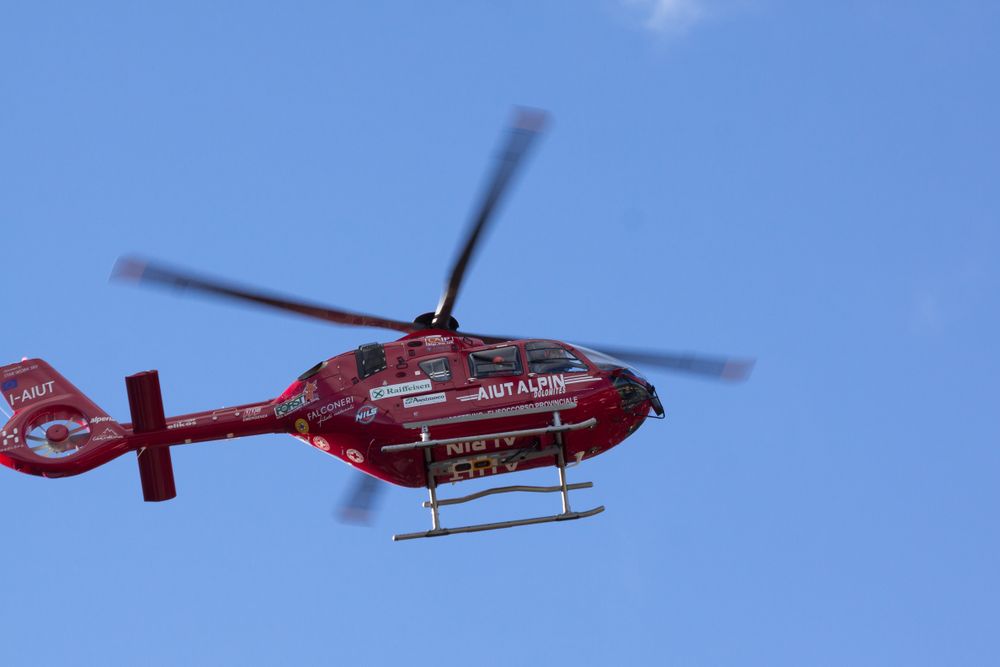
Three patients with suspected hantavirus have been evacuated from the MV Hondius and are en route to the Netherlands for specialized treatment. According to the Netherlands Ministry of Health, the evacuations were carried out in coordination with Cape Verde authorities.
The Dutch government is providing consular assistance to all affected nationals, regardless of their country of origin or nationality. The ministry stated it is "working closely with the Spanish authorities to handle the situation as well as possible."
🇵🇭 38 Filipino Crew Members – All Safe
Source: ABS-CBN News, DOH Philippines
Among the 147 people on board, 38 are Filipino seafarers. According to the Philippine Department of Health, none are showing signs of hantavirus infection. They remain isolated and are following quarantine protocols under Cape Verde health authorities.
Before returning to the Philippines, they will undergo quarantine and testing in the Canary Islands under Spanish jurisdiction, followed by health screening by the Philippine Bureau of Quarantine upon arrival.
📊 Other 2026 Cruise Ship Outbreaks
Source: CDC Vessel Sanitation Program
The MV Hondius outbreak is rare and severe, but it's not the only cruise ship illness this year. The CDC tracks gastrointestinal outbreaks on vessels under its jurisdiction. So far in 2026:
- Oceania Cruises – Insignia: E. coli outbreak.
- Princess Cruises – Star Princess: Norovirus (141 passengers, 52 crew).
- Regent Seven Seas – Seven Seas Mariner: E. coli outbreak.
Unlike MV Hondius, these involved gastrointestinal illnesses (vomiting, diarrhea). Norovirus remains the most common cause of cruise ship outbreaks, spreading through contaminated surfaces and close contact.
⚠️ WHO Risk Assessment – Low for General Public
The World Health Organization currently assesses the risk to the global population from this event as LOW. The outbreak is contained to the ship and individuals who sailed on it. Cruise travel overall remains safe.
Recommendations for travelers: Always check travel advisories, especially if visiting remote areas with rodent habitats. If you develop fever and respiratory symptoms after travel, tell your doctor where you've been. The CDC's Vessel Sanitation Program monitors cruise ship outbreaks.
🔄 Not Another COVID – But Lessons Remain
Some have compared the MV Hondius to the Diamond Princess quarantine (2020). Here are the key differences:
- Transmissibility: COVID-19 spreads easily via respiratory droplets. Andes virus requires close, prolonged contact.
- Scale: Diamond Princess had 3,711 people; MV Hondius has 147.
- Preparedness: Countries have established protocols from WHO and ECDC.
According to the Philippine DOH: "Countries are now more prepared to respond to such health threats."