📱 MEDIA TRENDS 2026
Why Gen Z Is Ditching Traditional News for TikTok and Instagram
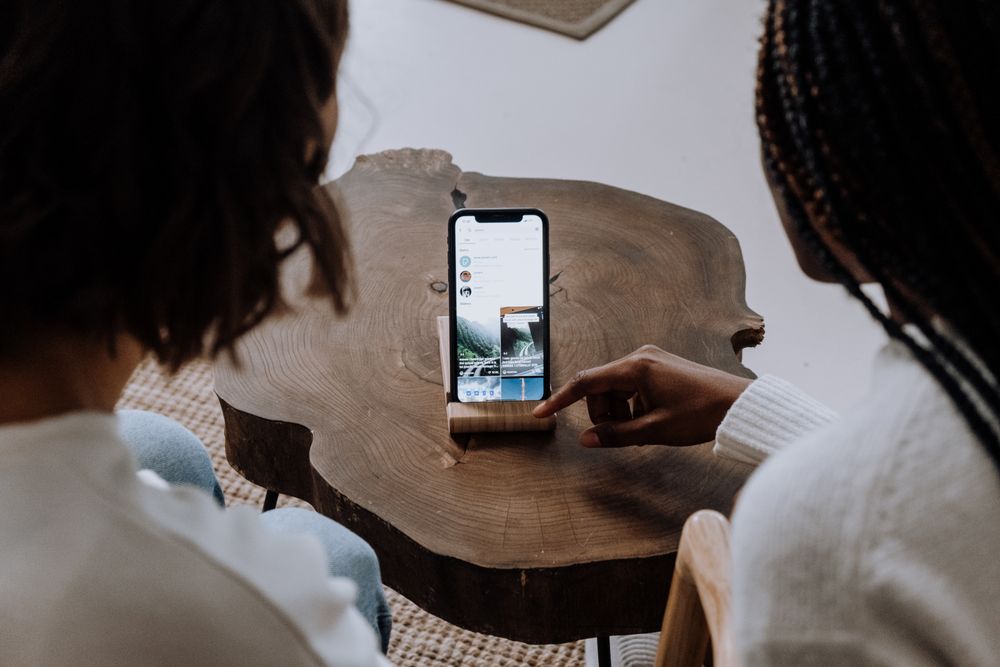
I noticed something interesting about my younger cousin last week. A major political event happened. The news alerts on my phone buzzed. CNN was all over it. But when I asked him what he thought, he said "I saw it on TikTok."
He's not alone. A massive shift is happening in how young people consume news. And traditional media is struggling to keep up.
Let me break down what's actually happening. These numbers come from the Reuters Institute Digital News Report 2026. They surveyed thousands of people between 18 and 27 years old. The findings are pretty striking.
📱 TikTok Is Now a News Platform
Think about it for a second. TikTok started as a dancing app. Kids making funny videos. That feels like a lifetime ago. Today, it's one of the most important news sources for anyone under 30.
Creators break down complex topics in 60 seconds. War in Ukraine. Inflation. Climate change. All explained in bite-sized pieces with visuals, commentary, and sometimes a little humor. And young people love it.
The format works because it meets people where they already are. You don't need to open a separate app or buy a newspaper subscription. The news comes to you between videos of dogs and cooking hacks.
🎭 The Trust Factor – Why Influencers Beat Reporters
Here's something traditional media doesn't want to hear. Young people trust influencers more than journalists. Not because influencers are more accurate. Because they feel more authentic.
Think about the difference. A news anchor sits behind a desk in a suit. They read from a teleprompter. Everything is polished and controlled. An influencer sits in their bedroom. They talk directly to the camera like they are talking to a friend. One feels distant. The other feels personal.
Morning Consult found that 43 percent of Gen Z trusts social media creators for news. Only 37 percent trust traditional journalists. That gap is growing every year.
⚠️ The Problem No One Is Talking About
But here is where it gets messy. You already see the problem, right? Accuracy. Misinformation spreads just as fast as real news on social media. Sometimes faster. A dramatic lie gets more clicks than a boring truth.
Platforms like TikTok and Instagram have tried to fix this. They add fact-checking labels and link to official sources. But young people often ignore those labels. They trust their favorite creator more than some random fact-checker.
One study found that false news spreads six times faster than true news on social platforms. That number should scare you. It scares me.
📊 Traditional Media Is Playing Catch-Up
CNN, The New York Times, and other major outlets have noticed the trend. They are trying to adapt. Many have created TikTok accounts and Instagram channels. Some have hired young producers to make content specifically for social platforms.
It is working, slowly. The Washington Post's TikTok account has millions of followers. But they are still behind individual creators who built audiences organically over years.
💡 What This Means for the Future
The shift is not stopping. It is accelerating. Gen Z is aging into voting demographics, workforce leadership, and consumer power. Where they get their news matters for everyone.
Politicians are already changing their strategies. Campaign ads now prioritize TikTok over television. Brands are spending millions on influencer partnerships instead of newspaper ads. The old model is cracking.
For news organizations, the message is clear. Adapt or die. The audience is not coming back to cable news. The audience is not buying newspapers. The audience is scrolling. Either you meet them there, or you become irrelevant.
🎙️ Rendreport Take
Is TikTok news perfect? Absolutely not. The lack of editing, fact-checking, and accountability is a real problem. But young people have made their choice. They value speed, authenticity, and personality over institutional authority.
Traditional media can complain about it. Or they can figure out how to do better in this new environment. The smart ones are already adapting.
And here is the thing we don't talk about enough. Maybe young people are not wrong to be skeptical. Traditional media has its own biases, its own blind spots, its own failures. The difference is that on TikTok, you can see ten different perspectives in ten minutes. On cable news, you get one perspective for an hour.
The future of news will not look like the past. That might be scary. But it might also be an improvement.